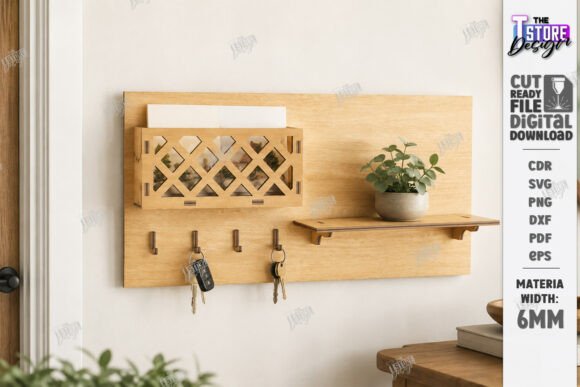
Wall Key Holder Laser Cut Wall Decor Review
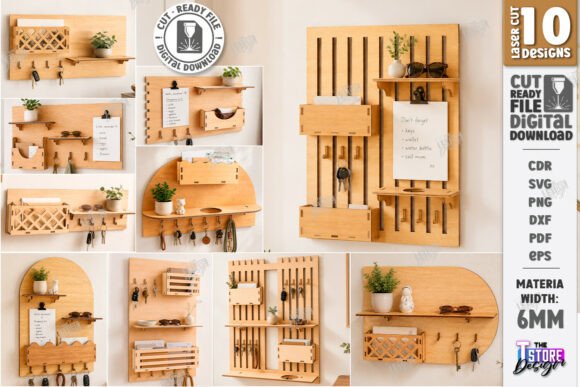
As a designer who has spent years navigating the intersection of digital assets and tangible craft, I approach every new design file with a critical eye. When I first opened the vector files for the Wall Key Holder Laser Cut Wall Decor, my initial reaction was one of curiosity mixed with professional caution. This is not your standard floral motif or simple monogram intended for a t-shirt. The description highlights a blend of modern sweet home aesthetics with functional entryway organization, featuring floral and geometric key hooks. While the product is explicitly marketed as a laser-cut wooden organizer, the underlying design principles hold significant value for us in the embroidery world. Let's dig into how this specific aesthetic translates when we move from laser cutting to machine stitching.
First Impressions: Aesthetic and Structural Integrity
The visual personality of the Wall Key Holder Laser Cut Wall Decor is clean, structured, and deeply rooted in contemporary home decor trends. The combination of floral elements with geometric shapes creates a balanced composition that feels both organic and engineered. In the context of embroidery, this balance is crucial. Too much geometry can feel cold and rigid under thread, while too much florals can become muddy if the stitch density isn't managed correctly. This design strikes a middle ground that suggests it would work exceptionally well as a large-scale applique design or a detailed fill stitch project on sturdy substrates.
When I visualize this as an embroidery project, I am immediately thinking about texture. The "laser ready" nature of the original file implies sharp lines and precise corners. In embroidery, achieving those crisp corners requires careful digitization. If you are planning to adapt this concept for a custom apparel line or a boutique product, you must consider how the curves of the floral elements will interact with the straight lines of the geometric hooks. The mood it creates is one of organized warmth—perfect for a nursery, a cozy kitchen, or a welcoming entryway display.
Translating the Design for Real-World Embroidery
Let's talk about a real-life scenario. Imagine you run a small shop selling personalized home goods and you want to create a limited edition set of embroidered kitchen towels or aprons. You decide to use the motifs from the Wall Key Holder Laser Cut Wall Decor as the central theme. Instead of a physical rack, you are stitching the silhouette of the rack itself, perhaps with the words "Welcome Home" integrated into the shelf area. This transforms a functional object into a decorative statement piece.
For a tote bag design, the scale of this artwork is ideal. Tote bags offer a large canvas where you can utilize a mix of satin stitch for the outlines of the geometric keys and fill stitch for the floral patterns. The contrast between the smooth satin and the textured fill would mimic the look of the laser-cut wood grain, adding depth to the finished product. Similarly, for sweatshirt embroidery, placing this design on the back of a heavyweight hoodie could elevate a basic garment into a high-end, handmade product. Customers looking for unique holiday gifts or wedding favors would likely appreciate the intricate detail and the "sweet home" vibe it projects.
However, the transition from a flat vector to a stitched item requires attention to stitch density. The dense areas of the floral patterns need to be thinned out slightly to prevent puckering, especially on softer fabrics. If you are creating an embroidered patch based on this design, the density can be higher since patches are usually backed with heavy stabilizer. This makes them durable and suitable for frequent washing, which is a common requirement for baby embroidery or everyday apparel.
Where Caution is Required
Not every application is a good fit for this level of detail. If you attempt to shrink the Wall Key Holder Laser Cut Wall Decor down for a cap or a small hat, you will lose the essence of the design. The tiny lettering often found in these types of organizers, along with the delicate petals of the flowers, will merge into a single blob of thread on a curved surface. Curved surfaces like caps demand simpler, bolder lines.
Texture is another factor. On thin fabric or stretchy material like jersey knit, the weight of the thread required to replicate the solid look of the laser-cut design could distort the fabric. You would need to use a tear-away or cut-away stabilizer appropriate for the fabric type. Dark fabric backgrounds also present a challenge; the white or light-colored threads needed to make the design pop might require multiple layers of underlay, increasing the risk of bulkiness. Always test the design on scrap fabric first to see how the thread colors interact with the background.
Impact on Brand Value and Customer Perception
Using a sophisticated design like this can significantly boost the perceived value of your handmade products. When a customer sees a complex, well-executed pattern that mimics high-end home decor, their trust in your craftsmanship increases. It signals that you are not just slapping a generic logo on a shirt but are curating a lifestyle aesthetic. For an Etsy seller or a creative entrepreneur, this kind of visual appeal drives buyer engagement. It makes your listing stand out in a crowded marketplace.
Furthermore, the versatility of the design allows for consistent branding across different product lines. You could use the same geometric and floral motifs for printable mockups, digital product previews, and actual commercial embroidery projects. This consistency helps build recognition for your brand. Whether it is a personalized gift for a friend or a commercial item for your shop, the quality of the design directly influences the final presentation.
Practical Designer Notes for Success
Before you commit to a full production run, here are my top recommendations for working with this style of design:
- Test on Scrap Fabric: Never skip this step. Run a test stitch to check for pulling, puckering, or thread breaks.
- Review Stitch Density: Ensure the floral areas aren't too heavy. Adjust the digitizing settings to allow the fabric to breathe.
- Confirm Hoop Size: This design likely requires a larger hoop. Make sure your machine can accommodate the width without distorting the image.
- Check Thread Colors: Experiment with color combinations. A metallic thread for the geometric parts could add a premium touch.
- Inspect Small Details: Zoom in on the vector file to ensure no tiny gaps exist that will cause thread jumps during stitching.
- Use Proper Stabilizer: Heavyweight items like wall hangings or thick towels need robust backing to maintain shape.
- Licensing Check: Always confirm the licensing terms before selling finished items. Ensure you have the right to use the design for commercial purposes.
In conclusion, the Wall Key Holder Laser Cut Wall Decor offers a rich source of inspiration for embroidery designers willing to adapt its structural beauty for textile applications. By respecting the limitations of the medium and focusing on quality execution, you can create stunning, marketable pieces that resonate with customers seeking modern, handmade elegance. Whether for a personal project or a growing craft business, this design has the potential to become a signature element in your portfolio.